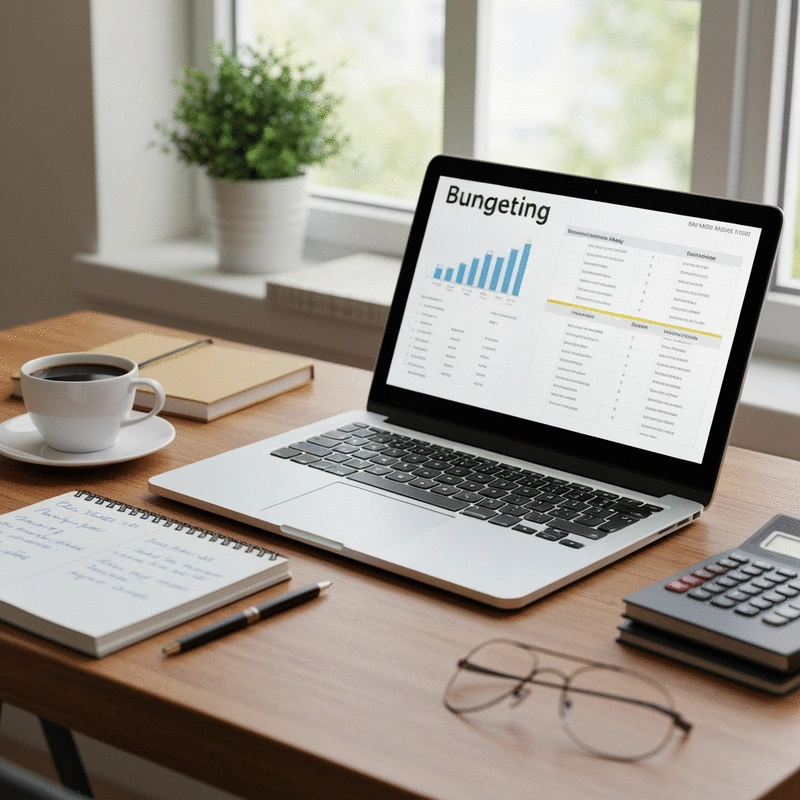
Budgeting Tips for First-Time Homebuyers

Budgeting for Your First Home: Essential Financial Tips and Tools

When embarking on the journey of purchasing your first home, it pays to be prepared. Did you know that nearly 70% of first-time buyers feel overwhelmed by the financial aspects? By understanding budgeting and financial concepts, you can take charge of your experience and make informed decisions!

What You Will Learn

  • The importance of budgeting in controlling spending and preparing for unexpected costs in homeownership.
  • Key financial concepts such as down payments, closing costs, and mortgage rates that every homebuyer should know.
  • How credit scores affect mortgage approval, interest rates, and the terms of your loan.
  • Steps to create a personal budget using the 50/30/20 rule for effective financial management.
  • Understanding debt-to-income ratios and income multiples to evaluate how much home you can afford.
  • Exploring different mortgage options like FHA, VA, and conventional loans suitable for first-time buyers.
  • Factors affecting local market conditions, including trends, average home prices, and future developments.
  • Considerations for planning future home renovations and how to find the right neighborhood for your budget.

Key Homebuying Concepts & Budgeting Rule

Understanding essential financial concepts and applying a smart budgeting rule are fundamental steps towards successful homeownership.

Key Homebuying Financial Concepts

  • Down Payment: Initial amount, % of purchase price.
  • Closing Costs: Fees for finalizing purchase.
  • Mortgage Rates: Interest on home loan.

50/30/20 Budgeting Rule

50% Needs
30% Wants
20% Savings/Debt Repayment

Understanding Budgeting for Your First Home Purchase

When it comes to buying your first home, understanding budgeting is absolutely crucial! Many first-time homebuyers often feel overwhelmed by the financial aspects, but I'm here to help you navigate this essential step in your real estate journey. A solid budget serves as your roadmap, guiding you through the home-buying process and ensuring that you make informed decisions.

Think about it this way: without a budget, it's like trying to find your way in a new city without a map. You might end up lost, stressed, and making costly mistakes. Creating a budget allows you to set realistic expectations, allocate resources wisely, and ultimately leads to a smoother homebuying experience.

Why a Budget is Crucial for First-Time Homebuyers

Establishing a budget isn’t just about understanding how much you can spend; it’s about gaining confidence in your financial choices. Here's why a budget is vital:

  • Control Your Spending: A budget helps you track your income and expenses, ensuring you stay within your limits.
  • Preparation for Unexpected Costs: Homeownership can bring surprises, and a budget can help you prepare for them.
  • Long-Term Financial Goals: By managing your budget, you can save for future investments or renovations.

By taking the time to create a detailed budget, you're not just preparing for a one-time purchase—you're setting the foundation for your financial future. So, let’s dive into the key concepts you need to know!

Key Financial Concepts Every Homebuyer Should Know

Before you start house hunting, it’s essential to familiarize yourself with some key financial terms. Knowledge is power, and understanding these concepts will help you feel more empowered in your journey:

  • Down Payment: The initial amount you pay towards your home. It's a percentage of the purchase price and can vary based on the type of mortgage.
  • Closing Costs: Fees associated with finalizing the purchase, which can include appraisal, title insurance, and attorney fees. For a comprehensive overview of the home-buying process, including understanding various costs, you can refer to resources like the Consumer Financial Protection Bureau's guide to owning a home.
  • Mortgage Rates: The interest you pay on your home loan, which can significantly impact your monthly payments.

Grasping these concepts will not only enhance your understanding but also aid in your negotiations when you find that dream home!

The Importance of Credit Scores in Homebuying

Your credit score plays a pivotal role in the homebuying process. It’s essentially a numerical representation of your creditworthiness, and lenders heavily rely on it when determining your mortgage eligibility. A stronger credit score can lead to better loan terms and lower interest rates, saving you money over time!

Here’s a quick rundown of how credit scores influence your home purchase:

  • Loan Approval: Higher scores increase your chances of mortgage approval.
  • Interest Rates: Improved scores may qualify you for lower rates, reducing your monthly payments.
  • Terms of the Loan: A good credit score may allow for more favorable loan terms.

Keeping an eye on your credit score before you start the home buying process can make a significant difference. If you're unsure about your current standing, I recommend checking your score and, if needed, taking steps to improve it before applying for a mortgage. For additional tips on preparing for your first home purchase, including financial readiness, the California Department of Financial Protection and Innovation offers valuable insights.

Creating Your Personal Budget: A Step-by-Step Guide

Now that we’ve covered the essentials of budgeting, let’s move on to creating your personal budget. This step is crucial for ensuring that you can afford your new home while maintaining your desired lifestyle.

Assessing Your Financial Situation: Income, Debts, and Expenses

Start by taking a comprehensive look at your financial situation. Gather all your income sources and monthly expenses, including:

  • Monthly Income: Consider all your earnings, including salary and any side gigs.
  • Current Debts: List out debts like student loans, car payments, and credit card balances.
  • Fixed and Variable Expenses: This includes rent, utilities, groceries, and discretionary spending.

Understanding where your money goes each month will help you identify how much you can comfortably allocate towards a mortgage. Let's talk about how to implement the 50/30/20 budgeting rule!

Implementing the 50/30/20 Budgeting Rule

The 50/30/20 rule is a straightforward guideline that can make budgeting easier. Here’s how it works:

  • 50% Needs: Allocate half of your income to essential expenses, such as housing, food, and healthcare.
  • 30% Wants: Set aside 30% for discretionary spending like entertainment, dining out, and hobbies.
  • 20% Savings: Use the remaining 20% for savings or debt repayment, which is crucial for building a strong financial foundation.

By following this rule, you'll have a clear picture of how to manage your finances effectively and build toward your goal of homeownership.

Calculating How Much You Can Afford

With your budget in place, it's time to figure out just how much home you can afford. This involves understanding a few critical ratios and options that will guide your decision-making process.

Understanding Debt-to-Income Ratios

The debt-to-income ratio (DTI) is a key metric that lenders use to evaluate your financial health. This ratio compares your monthly debt payments to your monthly income. A lower DTI indicates that you’re in a better position to take on a mortgage. Most lenders prefer a DTI of 36% or lower.

Using Income Multiples to Determine Home Price

Another common method is using income multiples. For instance, many experts suggest that your home price should not exceed two to three times your annual income. This method can help you set realistic expectations about your budget.

Evaluating Different Mortgage Options: FHA, VA, and Conventional Loans

Finally, it’s essential to understand the various mortgage options available. Here are three common types:

  • FHA Loans: These are government-insured loans that typically require lower down payments, making them ideal for first-time buyers.
  • VA Loans: Available to veterans and active service members, VA loans come with no down payment options and favorable terms.
  • Conventional Loans: These are not government-backed and may require higher credit scores but can offer competitive rates.

By exploring these options, you'll be equipped to choose the mortgage that best fits your financial situation and homeownership goals. For an in-depth guide on the first-time home buying process, including detailed explanations of different loan types, consider reviewing resources like the NCPDFCU First-Time Home Buying Guide.

We Want to Hear From You!

As you embark on your journey to homeownership, what aspect of budgeting do you find most challenging? Share your thoughts below:

Preparing for Homeownership: Next Steps After Budgeting

Congratulations on taking the crucial steps to budget for your first home purchase! Now that you have a solid financial foundation, it's time to focus on the next steps in your journey to homeownership. This phase is all about preparation and making informed choices that align with your budget and goals.

In this section, we’ll dive into important factors like local market conditions, potential renovations, and how to choose the best neighborhoods for your budget. Let’s equip you with the knowledge you need to make savvy decisions as you move forward!

Assessing Local Market Variability: How It Affects Your Budget

Understanding your local real estate market is essential as it can greatly influence your budgeting process. Markets can vary widely depending on location, demand, and economic conditions. Here are some key factors to consider:

  • Market Trends: Research whether the market is favoring buyers or sellers. A buyer's market means more options and potentially lower prices.
  • Average Home Prices: Knowing the average home prices in your desired area can help you set realistic expectations for your budget.
  • Future Development: Look for any upcoming developments or infrastructure projects that could increase property values.

By keeping an eye on these local market variables, you can adjust your expectations and budget accordingly, ensuring you’re ready to make informed decisions when the time comes.

Planning for Future Home Renovations and Upgrades

Once you've settled into your new home, it’s natural to start thinking about improvements or renovations. These enhancements can not only make your space more enjoyable but also increase its value. Here are some common upgrades to consider:

  • Kitchen Remodel: A modern kitchen can significantly boost your home’s appeal.
  • Bathroom Upgrades: Simple updates like new fixtures or tile can make a big impact.
  • Energy-Efficient Improvements: Consider adding insulation or energy-efficient windows to save on bills.

As you create your budget, remember to allocate funds for these potential renovations. Prioritizing these projects can enhance your living experience while also adding value to your investment.

Researching Neighborhoods: Finding the Right Location for Your Budget

The right neighborhood can make all the difference in your homeownership experience! Focus on communities that fit your lifestyle and budget. Here’s how to do it:

  • Assess Amenities: Look for proximity to schools, parks, shopping centers, and public transportation.
  • Evaluate Safety: Research crime statistics and community safety to ensure you’re comfortable in your new surroundings.
  • Engage with the Community: Attend local events or visit neighborhood forums to get a feel for the area.

Finding a neighborhood that aligns with your lifestyle will not only enhance your everyday living but will also play a crucial role in your long-term satisfaction and property value.

Frequently Asked Questions (FAQs)

What are the most crucial financial concepts for first-time homebuyers?
Key concepts include understanding down payments, closing costs, and mortgage rates. Grasping these helps in better financial planning and negotiation.
How does my credit score impact my home purchase?
Your credit score significantly affects loan approval, interest rates, and the overall terms of your mortgage. A higher score generally leads to more favorable loan conditions.
What is the 50/30/20 budgeting rule?
This rule suggests allocating 50% of your income to needs, 30% to wants, and 20% to savings or debt repayment to manage your finances effectively.
How can I determine how much home I can afford?
You can calculate this by assessing your debt-to-income ratio (DTI) and using income multiples, where your home price should ideally not exceed two to three times your annual income.
What are the main types of mortgage options available for first-time buyers?
Common options include FHA loans (low down payment, government-insured), VA loans (for veterans, no down payment), and Conventional loans (not government-backed, may require higher credit scores).

Recap of Key Points

Here is a quick recap of the important points discussed in the article:

  • Establish a Budget: Create a budget to control spending and prepare for unexpected costs in homeownership.
  • Understand Key Financial Concepts: Familiarize yourself with down payments, closing costs, and mortgage rates.
  • Monitor Your Credit Score: A higher credit score can lead to better mortgage terms and lower interest rates.
  • Utilize the 50/30/20 Rule: Allocate your income into needs, wants, and savings to manage finances effectively.
  • Assess Local Market Conditions: Research market trends and average home prices to set realistic expectations for your budget.
  • Plan for Future Renovations: Allocate funds for potential home upgrades that can enhance living experience and property value.
  • Research Neighborhoods: Consider amenities, safety, and community engagement to find the right location for your lifestyle.
About !author

Elena Larkin

Elena Larkin is a passionate real estate expert with a keen understanding of the challenges facing first-time buyers and young families. With years of experience in the industry, she combines her extensive knowledge of property financing, home improvement, and market trends with a relatable approach. Elena aims to empower her audience by providing insightful content designed to demystify the real estate landscape.


Popular Posts

Rochester Real Estate Investment Insights Rochester Real Estate Investment Insights Are you ready to seize the opportunities in the Rochester real estate market? Navigating this dynami
Capturing Space: Real Estate Photography Real Estate Photography Are you curious about how quality photography can revolutionize the way properties are sold? In toda
Exploring Laser Scanning in Toronto Laser scan toronto Curious about how modern technology is reshaping construction and design? The rise of 3D laser scann
Understanding 3D Laser Scanning Basics 3D Laser Scanning Curious about how cutting-edge technology is reshaping the architecture and construction landscape?