Understanding 3D Laser Scanning Basics
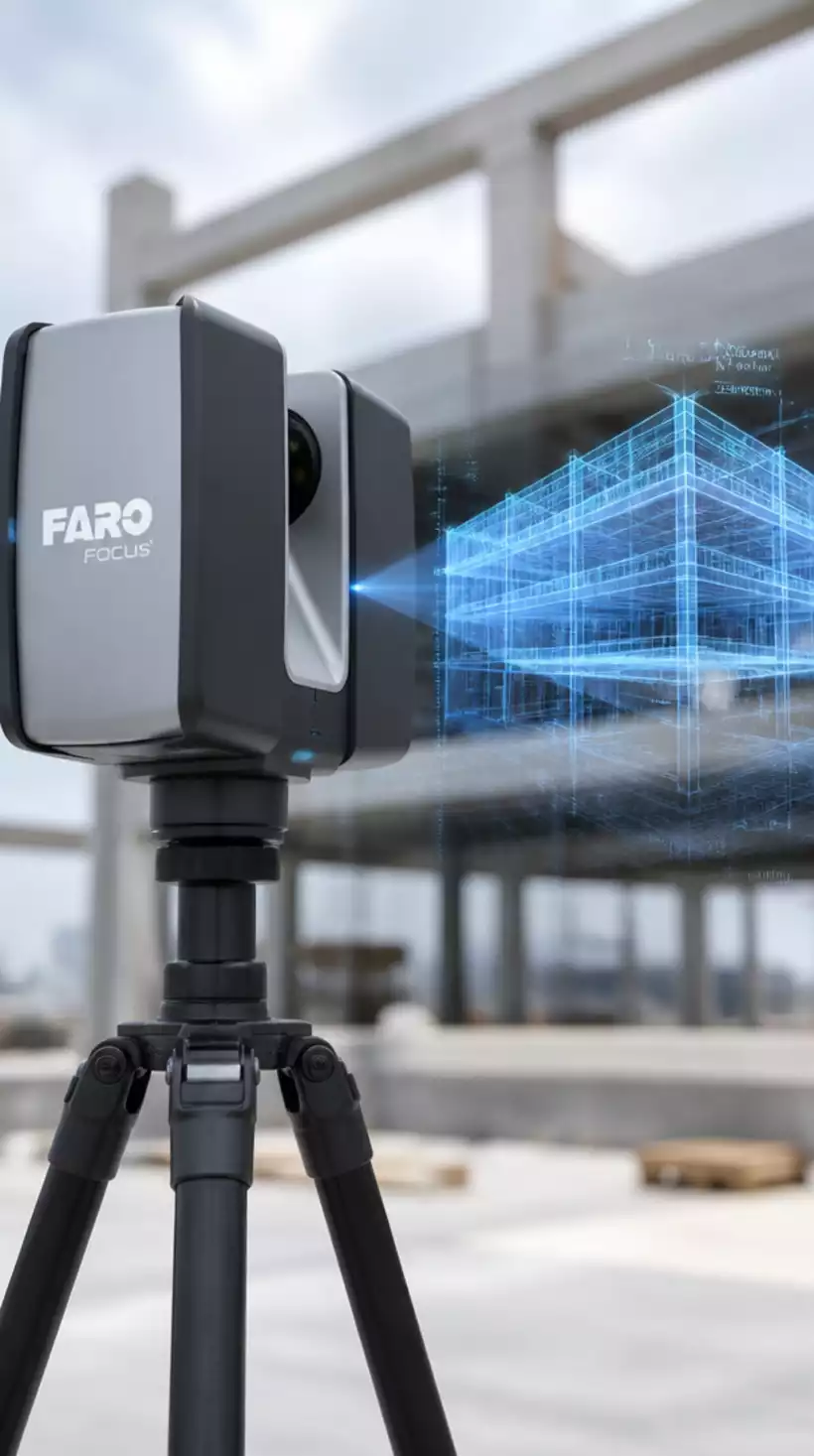
Have you ever wondered how technology can transform the way we visualize and interact with urban environments? The advent of 3D laser scanning is revolutionizing fields like construction and real estate, providing unprecedented precision and efficiency.
What You Will Learn
- 3D laser scanning captures precise measurements, creating detailed digital models that enhance project accuracy.
- Different types of scanners—terrestrial, handheld, and mobile—serve distinct purposes and environments.
- The scanning process generates point clouds, which are essential for creating and analyzing 3D models.
- Key benefits of 3D laser scanning include increased precision, time efficiency, enhanced visualization, and cost savings for projects.
- Incorporating 3D laser scanning supports better project collaboration and informed decision-making among stakeholders.
- Choosing the right service provider is critical to ensuring the success of your 3D laser scanning projects.
The Power of 3D Laser Scanning
3D Laser Scanning offers significant advantages over traditional methods, enhancing precision, efficiency, and project outcomes. Explore the key benefits and applications below.
Benefits of 3D Laser Scanning
Increased Precision
Captures millions of data points, creating high-accuracy models that significantly reduce measurement errors compared to traditional methods.
Time Efficiency
The scanning process is quick, allowing for faster project turnaround times, outperforming traditional surveying methods.
Enhanced Visualization
Detailed 3D models provide stakeholders with a clear understanding of designs, facilitating informed decision-making.
Cost Savings
Identifying potential issues early in the project lifecycle helps avoid costly reworks and delays.
Key Applications
Scan-to-BIM Integration
Streamlines the transition from real-world measurements to Building Information Modeling (BIM) for enhanced accuracy.
As-Built Documentation
Creates precise records of current conditions, essential for future renovations, inspections, and facility management.
Project Collaboration
Facilitates better communication and coordination among project teams through shared visual data and models.
Feasibility Studies
Provides accurate data for early-stage project assessment, helping to identify potential challenges and opportunities.
Understanding 3D Laser Scanning: A Comprehensive Overview
In the world of urban development and real estate, understanding cutting-edge technologies like 3D laser scanning can significantly enhance project accuracy and efficiency. This technology captures precise measurements of an object or environment, transforming them into highly detailed digital models. Whether you’re an aspiring investor or an urban professional, grasping the fundamentals of 3D laser scanning can empower you to make informed property decisions in evolving urban landscapes.
What is 3D Laser Scanning?
Defining the Technology and Its Components
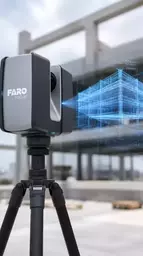
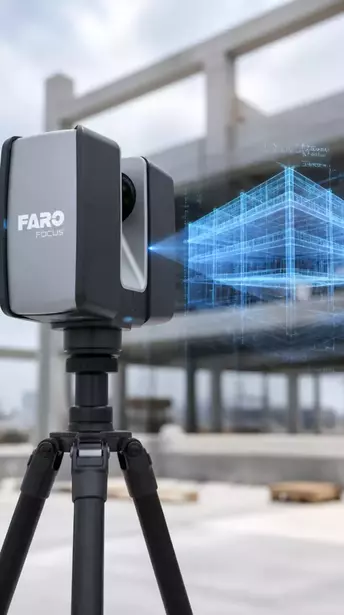
3D laser scanning Mississauga - At its core, 3D laser scanning is a method that uses laser beams to measure the precise three-dimensional shapes of physical objects. The technology involves several components, including a laser source, a receiver, and a computer system to process the data. The result? A detailed digital representation of the scanned area, known as a point cloud. This data is crucial for various applications in architecture, construction, and even urban planning!
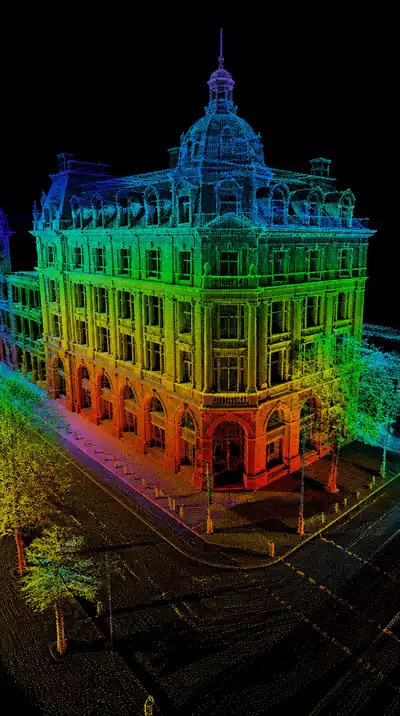
These digital models allow stakeholders to visualize the dimensions and features of a space, making it easier to communicate design intentions and identify potential issues before they arise. With 3D laser scanning, urban professionals can leverage technology to enhance the decision-making process.
Types of Scanners: Terrestrial, Handheld, and Mobile
There are several types of 3D laser scanners, each tailored to specific needs and environments:
- Terrestrial Scanners: Stationary devices ideal for surveying large areas, capturing high-resolution data at various distances.
- Handheld Scanners: Portable units perfect for smaller, intricate spaces, allowing for detailed scanning without the need for extensive setup.
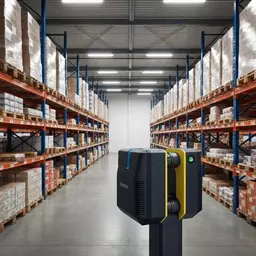
- Mobile Scanners: Mounted on vehicles or drones, these scanners are designed for rapid data collection over expansive areas, making them great for urban environments.
Choosing the right type of scanner depends on your project’s specific requirements. For instance, a terrestrial scanner may be the best choice for capturing the details of a historic building, while a handheld scanner could be perfect for documenting a new interior design.
How 3D Laser Scanning Works
The Scanning Process: Capturing Data Points
The scanning process begins with the scanner emitting laser beams that reflect off of surfaces and return to the device. Each laser pulse measures distance, allowing the scanner to generate a multitude of data points. This information is then processed to create a 3D model. It’s fascinating how this process can create an accurate digital twin of the physical environment!
During scanning, it’s important to maintain a clear line of sight to ensure the best results. Any obstructions can create gaps in data that may affect the final model's accuracy. A well-planned scanning strategy can enhance the effectiveness of this technology.
Understanding Point Clouds and Data Processing
Once captured, the data takes the form of a point cloud, a collection of points representing the scanned object's surface. Each point contains information about its position in 3D space, which can be processed and turned into detailed models using specialized software. This stage is crucial, as the processing techniques can drastically improve the quality and usability of the final outputs.
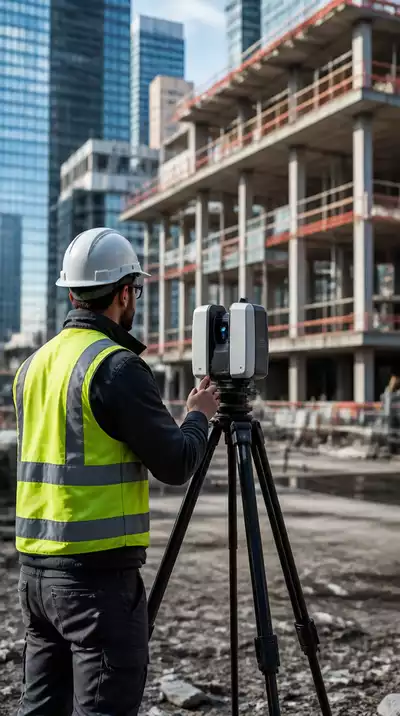
After generating point clouds, urban professionals can utilize various software applications to analyze and manipulate the data, enabling effective decision-making for projects. From creating 3D models to integrating with Building Information Modeling (BIM), the possibilities are vast!
We Want to Hear From You!
As you delve into the world of 3D laser scanning, what aspect do you find most intriguing or valuable? Share your thoughts below:
Frequently Asked Questions About 3D Laser Scanning
What is 3D laser scanning?
3D laser scanning is a technology that uses laser beams to capture precise three-dimensional measurements of physical objects or environments, transforming them into detailed digital models called point clouds.
What are the main benefits of using 3D laser scanning?
Key benefits include increased precision, time efficiency, enhanced visualization for stakeholders, and cost savings by identifying and resolving potential issues early in a project.
What types of 3D laser scanners are available?
There are three main types: terrestrial scanners (stationary, for large areas), handheld scanners (portable, for intricate spaces), and mobile scanners (vehicle/drone-mounted, for rapid data collection over expansive areas).
What is a point cloud in 3D laser scanning?
A point cloud is a collection of data points generated by the scanner, where each point represents a specific location in 3D space on the surface of the scanned object. These point clouds are then processed into detailed 3D models.
How does 3D laser scanning contribute to project collaboration?
By providing shared, highly accurate visual data and 3D models, 3D laser scanning facilitates better communication and coordination among project teams and stakeholders, leading to more informed decision-making.
Recap of 3D Laser Scanning and Its Benefits
As we conclude our exploration of 3D laser scanning, it's vital to reiterate its significant value across various sectors. This innovative technology not only enhances accuracy but also streamlines project workflows. The benefits are numerous, especially when considering how businesses can leverage 3D laser scanning for improved outcomes.
- Increased Precision: 3D laser scanning captures millions of data points, creating high-accuracy models that reduce errors in measurements.
- Time Efficiency: The scanning process is quick, allowing for faster project turnaround times compared to traditional surveying methods.
- Enhanced Visualization: With detailed 3D models, stakeholders can better understand designs and make informed decisions.
- Cost Savings: By identifying potential issues early, businesses can avoid costly reworks and delays.
These advantages highlight why 3D laser scanning is becoming essential for modern projects, from construction to environmental monitoring. As a proponent of innovative solutions at Urban Property Insights, I believe that understanding these benefits can empower urban professionals and aspiring investors in their property ventures.
Why 3D Laser Scanning is Valuable for Your Projects
Incorporating 3D laser scanning into your projects offers transformative potential. This technology can significantly alter how we approach everything from design to implementation. Below are some key applications and advantages that can directly impact your project outcomes:
- Scan-to-BIM Integration: Streamlining the transition from real-world measurements to Building Information Modeling (BIM) for greater accuracy.
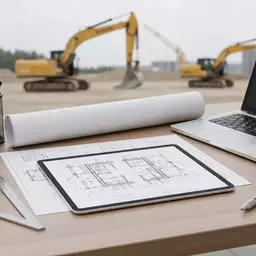
- As-Built Documentation: Creating precise records of current conditions that can be referenced for future renovations or inspections.
- Project Collaboration: Facilitating better communication and coordination among teams through shared visual data.
Utilizing 3D laser scanning not only enhances project workflows but also supports informed decision-making by providing clear, detailed insights. As you consider your investment options in metropolitan real estate, remember that innovative technologies like this can set your projects apart!
Next Steps: Getting Started with 3D Laser Scanning
Connecting with Service Providers
Embarking on a 3D laser scanning project? The first step is to connect with reliable service providers. At Urban Property Insights, we often emphasize the importance of choosing the right partner for your specific needs. Here are some tips to guide your selection:
- Research Experience: Look for providers with a proven track record in your industry.
- Check Reviews: Client testimonials can provide insights into service quality and reliability.
- Request Samples: Ask for previous project examples to assess the quality of their work.
- Compare Pricing: Ensure you understand what is included in the quoted price to avoid surprises later.
By taking these steps, you can ensure that your 3D laser scanning project is in capable hands, setting the stage for success!
Exploring Further Resources and Case Studies
Diving deeper into the world of 3D laser scanning can equip you with the knowledge to maximize its benefits. Consider seeking out additional resources, including white papers, webinars, and industry reports. Here’s how to expand your understanding:
- Online Courses: Enroll in courses that offer comprehensive training on 3D scanning technologies.
- Professional Associations: Join groups focused on surveying and digital technologies to network and learn from experts.
- Case Studies: Review documented success stories showcasing how other businesses have effectively implemented 3D laser scanning.
These resources can provide valuable insights into practical applications and innovative uses of 3D laser scanning. As you explore these avenues, remember that knowledge is key to unlocking the full potential of this technology!
Case Studies Highlighting Successful 3D Scanning Projects
Real-world case studies can reveal powerful insights about the benefits of 3D laser scanning. For example, several construction firms have successfully utilized this technology to improve accuracy and efficiency in their projects. Reviewing these examples not only illustrates the effectiveness of 3D laser scanning but also can inspire new ideas for your initiatives. Don't hesitate to seek out these case studies as they can significantly inform your approach!
Recap of Key Points
Here is a quick recap of the important points discussed in the article:
- Increased Precision: 3D laser scanning captures millions of data points, creating high-accuracy models that reduce errors in measurements.
- Time Efficiency: The scanning process is quick, allowing for faster project turnaround times compared to traditional surveying methods.
- Enhanced Visualization: Detailed 3D models help stakeholders better understand designs and make informed decisions.
- Cost Savings: Early identification of potential issues can help businesses avoid costly reworks and delays.
- Choosing the Right Scanner: Select between terrestrial, handheld, or mobile scanners based on your project’s specific requirements.
- Effective Data Processing: Utilize specialized software to analyze point clouds for improved project insights and outcomes.