Are you ready to revolutionize your design processes? As technology continues to evolve, 3D warehouse scanning stands out as a game-changer for architects and designers looking to enhance their workflows and outcomes.
What You Will Learn
3D warehouse scanning captures precise measurements, significantly reducing the likelihood of costly design errors.
The technology enhances collaboration by allowing teams to share accurate digital models easily.
Incorporating 3D scanning into your workflow leads to faster project completion times and improved overall efficiency.
Understanding geospatial technology can enhance the capabilities of 3D scanning, providing deeper insights into project planning.
Benefits and Features of 3D Warehouse Scanning
3D warehouse scanning offers significant advantages for architects and designers, streamlining processes and improving project outcomes. The key benefits are highlighted below.
Enhanced Accuracy
Provides precise measurements and captures intricate details, reducing costly mistakes and ensuring designs align with reality.
Time Efficiency
Quick capture of data minimizes time spent on manual measurements and model adjustments, speeding up project timelines.
Improved Collaboration
Shared digital models facilitate better communication and feedback among project stakeholders and teams.
Adaptability
Technology easily adapts to various project sizes and types, from residential designs to complex commercial structures.
Understanding 3D Warehouse Scanning and Its Importance
In today’s fast-paced design environment, 3D warehouse scanning Ottawa has become an essential tool for architects and designers. But what exactly does it entail? It involves capturing the physical characteristics of an environment, creating accurate digital models that can be utilized in various design and planning processes. This technique not only improves precision but also enhances collaboration among project stakeholders.
As someone deeply involved in the real estate landscape through Modern Living Real Estate Hub, I understand the value of technology in streamlining complex processes. 3D warehouse scanning is one such innovation that empowers professionals to visualize spaces better and make informed decisions.
What is 3D Warehouse Scanning?
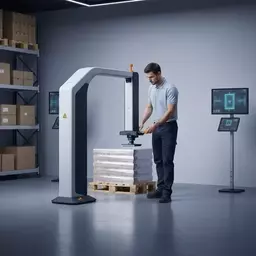
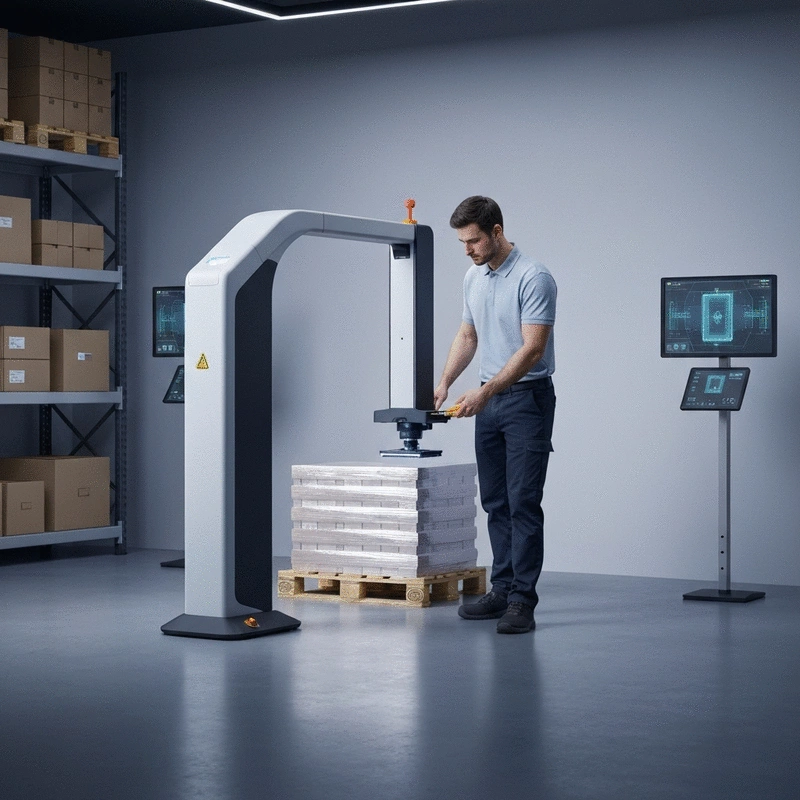
3D warehouse scanning is a process that utilizes advanced technology to capture detailed images and measurements of physical spaces. This data is then converted into a 3D model, allowing users to visualize and manipulate designs accurately. The process typically involves:
Using high-tech scanners to capture the environment’s dimensions.
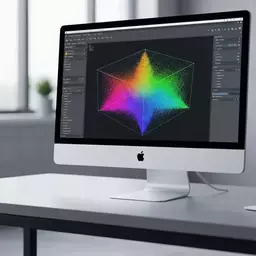
Generating a point cloud of the scanned area.
Converting the point cloud into a usable 3D model.
The resulting models can be integrated into design software, facilitating a seamless transition from concept to execution. With a clear understanding of the physical space at hand, architects and designers can make more precise adjustments during the design phase, significantly reducing errors.
Why Architects and Designers Benefit from 3D Warehouse Scanning
Architects and designers gain numerous advantages from employing 3D warehouse scanning in their workflows. Not only does it enhance accuracy, but it also leads to improved project outcomes. Some of the most notable benefits include:
Enhanced accuracy: Scanning provides precise measurements, reducing the likelihood of costly mistakes.
Time efficiency: The quick capture of data means less time spent on manual measurements.
Improved collaboration: Sharing digital models allows for better communication between teams.
These benefits ultimately lead to smoother project management and client satisfaction, as concepts can be visualized more clearly. As someone who understands the importance of clear communication in navigating the real estate market, I can appreciate how 3D scanning bridges the gap between creative vision and physical reality.
Exploring the Role of 3D Scanners in Enhancing Accuracy
The role of 3D scanners in improving design accuracy cannot be overstated. They capture intricate details that would be impossible to measure manually, such as:
Textural variations in surfaces
Subtle architectural features
Spatial relationships between objects
By incorporating these elements into their designs, architects and designers can create more realistic models that reflect the true essence of the space. This level of detail helps to ensure that the final product aligns closely with the client's vision, leading to successful project outcomes.
Pro Tip
When utilizing 3D warehouse scanning, consider investing in training sessions or workshops. This will not only enhance your skills but also help you stay updated on the latest advancements in scanning technology, ensuring you maximize the potential of your scans in your architectural designs.
Recap of 3D Warehouse Scanning Benefits and Features
As we wrap up our discussion on 3D Warehouse scanning, it's essential to highlight the key benefits and features that make this technology invaluable for architects and designers. By integrating 3D scanning into your workflow, you can unlock a whole new level of precision and efficiency in your projects. Here are some notable advantages:
Enhanced accuracy in capturing real-world dimensions
Faster model creation from scanned data
Seamless integration with software like SketchUp
Better collaboration through shared 3D models
Improved project management with digital twin technology
These benefits not only streamline processes but also lead to higher-quality outcomes, making your designs stand out. Think about how you can incorporate these features into your next project for an edge in the competitive market!
Key Takeaways for Architects and Designers
To sum up the essentials of 3D Warehouse scanning, let’s focus on the key takeaways every architect and designer should keep in mind:
Ease of Use: 3D scanning simplifies the modeling process, especially for complex structures.
Time-Saving: It significantly reduces the time spent on manual measurements and model adjustments.
Collaborative Potential: Sharing scanned models fosters better teamwork and feedback among stakeholders.
Adaptability: The technology easily adapts to various project sizes and types, from residential to commercial.
These takeaways encapsulate how 3D scanning can transform your approach to design. By embracing this technology, you're not just keeping up with trends—you're paving the way for innovative solutions!
Addressing Common Questions about 3D Warehouse Scanning
It's normal to have questions when exploring new technologies, especially something as cutting-edge as 3D Warehouse scanning. Here are some common queries that often arise:
What equipment do I need? Basic setups may include a 3D scanner, compatible software, and a computer with sufficient processing power.
How accurate are the scans? Accuracy can depend on various factors, including the scanner used and the environment, but most modern scanners offer high precision.
Can I integrate scans with existing models? Yes, scanned data can often be merged with existing models, enhancing detail and context.
Is training required? While user-friendly, some training is beneficial to maximize the technology's potential.
By addressing these questions, you can feel more confident in leveraging 3D Warehouse scanning for your projects!
Understanding the Impact of Geospatial Technology on 3D Scanning
The realm of geospatial technology plays a significant role in enhancing 3D scanning capabilities. By applying principles from this field, we can achieve a more profound understanding of space and terrain. Here’s how geospatial technology impacts 3D scanning:
Improved Data Collection: Geospatial methods provide comprehensive data that enhances the accuracy of 3D scans.
Advanced Mapping Solutions: Combining geospatial data with scanned models allows for better visualizations and project planning.
Real-Time Analysis: This technology enables live data integration, ensuring up-to-date information for decision-makers.
Understanding these impacts can help architects and designers like you leverage 3D scanning more effectively. It’s about using every tool at your disposal to create stunning, accurate designs!
Frequently Asked Questions (FAQs) about 3D Warehouse Scanning
What is 3D warehouse scanning?
3D warehouse scanning is a process that uses advanced technology to capture detailed images and measurements of physical spaces, converting this data into accurate 3D digital models for design and planning.
How does 3D scanning benefit architects and designers?
It offers enhanced accuracy in measurements, improves time efficiency by reducing manual work, facilitates better collaboration through shared digital models, and is adaptable to various project sizes and types.
What role do 3D scanners play in design accuracy?
3D scanners capture intricate details and spatial relationships that are impossible to measure manually, leading to more realistic models and ensuring the final product aligns closely with the client's vision.
What equipment is needed for 3D warehouse scanning?
A basic setup typically includes a 3D scanner, compatible software, and a computer with sufficient processing power.
How does geospatial technology enhance 3D scanning?
Geospatial technology improves data collection, enables advanced mapping solutions, and provides real-time analysis, leading to more comprehensive and accurate 3D scans and better project planning.
Engaging with the Community and Continuous Learning
As you embark on your journey with 3D Warehouse scanning, remember that engaging with the community is key to continuous learning. There are plenty of resources and connections that can help you along the way!
Accessing Forums and Support for Troubleshooting
One of the best ways to enhance your skills and resolve issues is by participating in online forums. These platforms often provide:
Peer Support: Connect with other users who can share their experiences and solutions.
Expert Insights: Many forums host industry experts who can offer advice and answer your questions.
Resource Sharing: Gain access to tutorials, case studies, and best practices shared by the community.
Don’t hesitate to dive into these communities. The support and wisdom you find can be invaluable!
Next Steps: Exploring Advanced Features and Upgrades
Once you’ve mastered the basics of 3D Warehouse scanning, consider exploring some advanced features that can further enhance your capabilities. Here are a few suggestions:
Enhanced Rendering Options: Look into improved rendering techniques for more realistic models.
Custom Plug-ins: Explore custom plug-ins that can integrate seamlessly with your preferred software.
Advanced Analytics Tools: Utilize tools that provide deeper insights into your models’ performance and usability.
These upgrades can take your projects to new heights and keep you at the forefront of design innovation!
Networking Opportunities within the 3D Scanning Community
Lastly, networking is a crucial aspect of the 3D scanning experience. Engaging with others in the field can lead to exciting opportunities. Consider:
Joining Professional Organizations: Look for local or national groups focused on 3D technology and architecture.
Attending Workshops and Seminars: Gain hands-on experience and meet like-minded professionals at industry events.
Participating in Online Webinars: These events are great for learning and connecting with experts from around the world.
By expanding your network, you can foster collaborations that inspire creativity and innovation in your work!
Recap of Key Points
Here is a quick recap of the important points discussed in the article:
3D warehouse scanning captures physical characteristics of environments, creating accurate digital models.
Benefits include enhanced accuracy, time efficiency, and improved collaboration among stakeholders.
The technology simplifies the modeling process and is adaptable to various project types.
Engagement with the community and continuous learning are crucial for leveraging 3D scanning effectively.
Consider exploring advanced features and networking opportunities to stay at the forefront of design innovation.
Elena Larkin
Elena Larkin is a passionate real estate expert with a keen understanding of the challenges facing first-time buyers and young families. With years of experience in the industry, she combines her extensive knowledge of property financing, home improvement, and market trends with a relatable approach. Elena aims to empower her audience by providing insightful content designed to demystify the real estate landscape.

Modern Living Real Estate Hub is dedicated to empowering first-time buyers, young families, and small-scale investors. We demystify the real estate market, offering actionable insights for confident property journeys and informed decisions.
Feeling overwhelmed by your first home purchase? Start by understanding your budget! Knowing what you can truly afford is the first step to your dream home.
Don't just look at the asking price. Factor in closing costs, property taxes, and potential home improvement expenses to get a full financial picture!
Boost your home's value with smart improvements. Even small updates like a fresh coat of paint or new fixtures can make a big difference!
Research local market trends! What's the average sale price in your desired neighborhood? Are homes selling quickly? Knowledge is power.
Get pre-approved for a mortgage before you start house hunting. This shows sellers you're serious and helps you know your true buying power.
Consider the long-term potential of a property. Is it in an area with planned development? How might its value grow over the next 5-10 years?
Don't shy away from asking questions! Your real estate agent is there to guide you. No question is too small when making such a significant investment.
Think about your lifestyle when choosing a home. Is it close to schools, parks, or your favorite coffee shop? Your home should fit your life.
Understand the difference between a 'want' and a 'need' in your new home. This helps you prioritize and stay realistic during your search.
Explore different mortgage options. FHA, VA, conventional — each has unique benefits. Find the one that best suits your financial situation!
Attend open houses, even if you're not ready to buy. It's a great way to learn about different neighborhoods and what's available in your price range.
Consider a home inspection. It's a crucial step to uncover potential issues before you commit, saving you headaches and money down the road.
Don't be afraid to negotiate! Whether it's the price or repairs, a good negotiation can significantly impact your overall home-buying experience.
Start building your emergency fund early. Homeownership comes with unexpected costs, and being prepared offers peace of mind.
Ready to take the next step towards your dream home? Our resources at Modern Living Real Estate Hub are designed to guide first-time buyers and young families like yours!