Point Cloud Importance
- • Construction: Accurate measurements & planning.
- • Gaming: Realistic environment creation.
- • Archaeology: Documentation & preservation.
Curious about how 3D models are formed from real-world objects? Point clouds may hold the answer! These intricate collections of data points are changing the game in industries ranging from construction to gaming, making it essential to grasp their significance and applications.
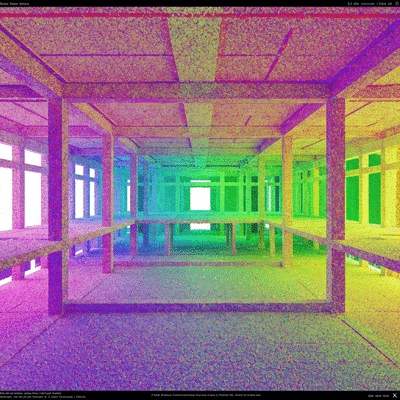
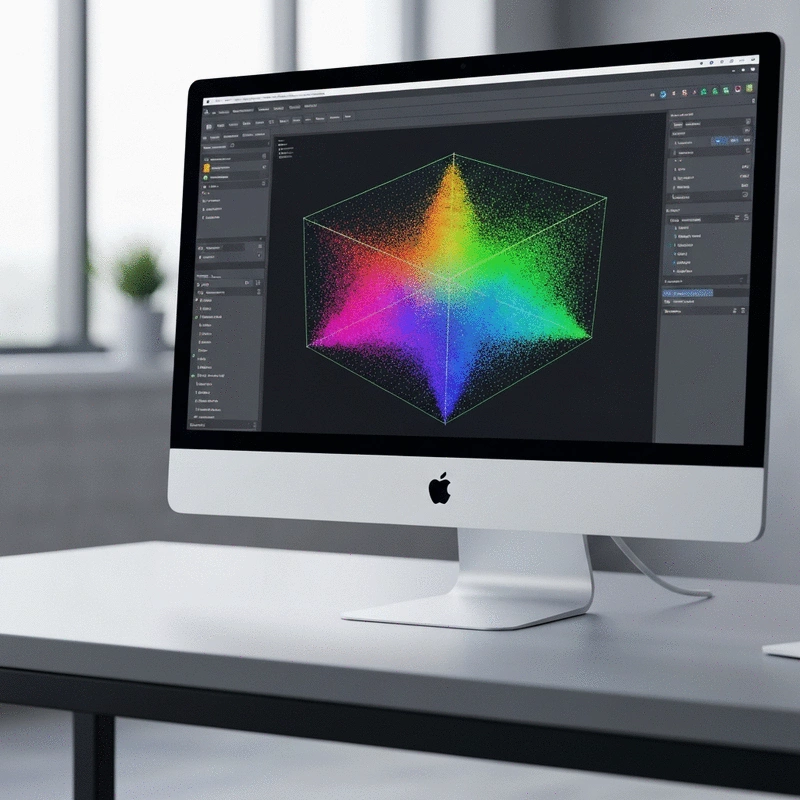
Point clouds are foundational for 3D modeling across various industries. This visual highlights their core purpose, basic search functionalities, and essential classification frameworks.
Collections of 3D data points representing object surfaces. Generated by LiDAR/photogrammetry for digital assets.
Frameworks for classifying point cloud searches, enhancing retrieval and user experience.
Have you ever wondered how detailed 3D models are created from real-world objects? That’s where Pointcloud come into play! Simply put, point clouds are collections of data points in a 3D coordinate system that represent the external surface of an object. They're crucial across various industries, such as construction, archaeology, and even in gaming, where precise modeling is essential.
Point clouds are generated using techniques like LiDAR and photogrammetry, transforming the physical world into digital assets. This revolutionizes how we capture reality, enabling us to analyze and manipulate environments in ways that were once unimaginable!
Point clouds serve as the foundational data for 3D modeling, providing a rich mesh of coordinates that accurately depict shapes and surfaces. Their significance is evident in industries like urban planning, where they support detailed mapping and infrastructure development.
By leveraging point clouds, we can enhance our understanding of various environments and make informed decisions based on detailed analyses. This technology truly exemplifies how digital innovation is reshaping our interaction with the world!
Now that we have a grasp on point clouds, let's delve into point cloud search! This concept revolves around retrieving specific data points from extensive point cloud datasets. Think of it like searching for a needle in a haystack, but in a 3D space!
Understanding these basic functions of point cloud search is crucial for anyone looking to harness the full potential of point cloud technology. As we move forward, we'll uncover the exciting frameworks and algorithms that make all this possible!
When it comes to organizing the vast amounts of data that point clouds generate, taxonomies play a pivotal role. Different frameworks allow for systematic classification of point cloud searches, improving information retrieval and user experience.
These frameworks are essential for developing efficient search algorithms that cater to diverse user needs, making point cloud data more accessible and usable.
Query modalities refer to the different ways users can search within point cloud datasets. This includes text-based searches, spatial queries, and even visual queries using images! By understanding these modalities, we can tailor the search experience to fit user needs effectively.
Additionally, semantics—the meaning behind the queries—plays a critical role in shaping the search results. Enhancing the semantic understanding of queries leads to better matching of user intents, ensuring that the most relevant point cloud data is retrieved.
To enhance your understanding of point cloud search, consider exploring open-source tools that allow you to experiment with real datasets. Platforms like CloudCompare and PDAL can provide hands-on experience, helping you visualize and manipulate point clouds effectively. The more you engage with these tools, the more proficient you'll become in extracting valuable insights from 3D data!
As we delve into the intricacies of Pointcloud 3D, it’s crucial to recap what we’ve learned. Point clouds serve as a vital data structure across various industries, playing an essential role in 3D modeling and spatial analysis. Understanding how these point clouds are searched, classified, and processed can significantly enhance data utilization.
From grasping the basics of point cloud search to recognizing the significance of algorithms like nearest neighbor and registration algorithms, we have explored different layers of this technology. The taxonomy frameworks and query modalities highlight how the search experience can be tailored to user intent. Whether you're new to this field or looking to refine your knowledge, these insights provide a solid foundation for further exploration.
In summary, the knowledge you’ve gained on point cloud search equips you to navigate the complexities of this technology with greater confidence. If you're eager to apply this understanding, you're already on the right path!
Now that we have a solid grasp of point cloud search, it’s time to take action! I encourage you to dive deeper into practical applications and explore the tools mentioned throughout this article. Whether it’s experimenting with software implementations or engaging with real-world case studies, there’s a wealth of resources available at your fingertips.
As you embark on this journey, remember that every exploration leads to new insights and opportunities. Don't hesitate to experiment with these tools and see how they can fit into your specific goals!
I’d love to hear from you! Sharing your experiences and insights on point cloud technology not only enriches our community but helps others learn as well. What challenges have you faced? What tools have you found invaluable? Join the discussion in the comments and let’s explore this exciting field together!
Elena Larkin is a passionate real estate expert with a keen understanding of the challenges facing first-time buyers and young families. With years of experience in the industry, she combines her extensive knowledge of property financing, home improvement, and market trends with a relatable approach. Elena aims to empower her audience by providing insightful content designed to demystify the real estate landscape.