Drawing Type Distinctions
•
As-Designed: Original plans & specifications.
•
As-Constructed: Changes made during construction.
•
As-Built: Final version with all modifications.
As you navigate the intricate world of construction and real estate, understanding the nuances of plant as-builts can significantly impact your investment decisions. These crucial documents are more than just technicalities—they're your roadmap to ensuring compliance, maintenance, and future renovations.
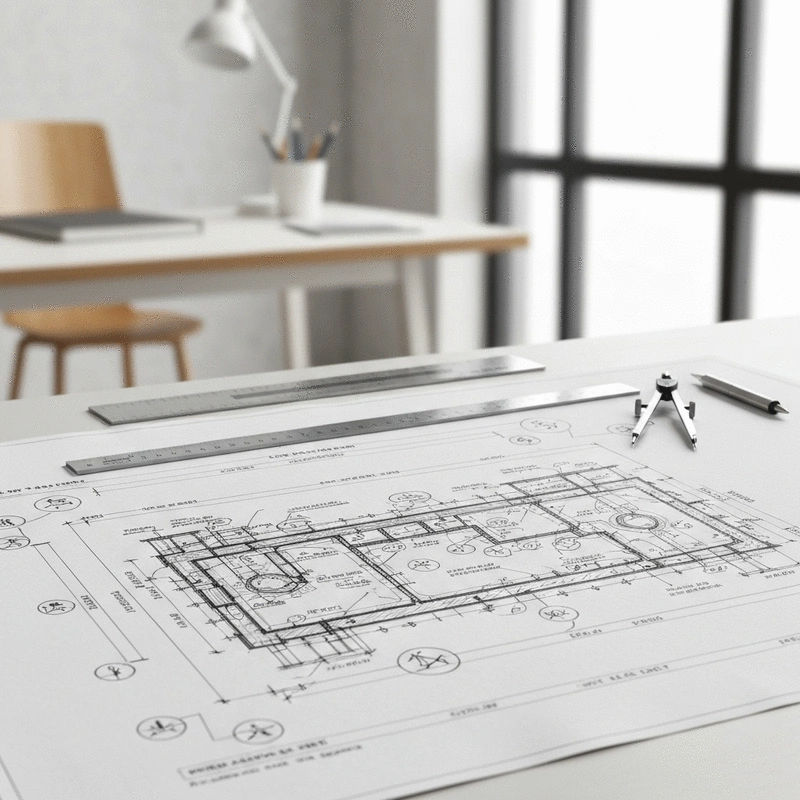
This visual highlights the critical differences between various architectural drawings and the transformative role of BIM in managing plant as-builts.
In the world of construction, plant as-builts play a critical role. Simply put, they are detailed drawings that reflect the actual built conditions of a project. These documents capture all changes made during the construction process, ensuring that what was built aligns with the initial plans and specifications. Understanding the importance of plant as-builts can be a game-changer for first-time buyers and small-scale investors like you, as it provides a clear view of the project’s integrity and compliance with regulations.
For those of you navigating the complexities of real estate, it’s vital to appreciate that plant as-builts are not just bureaucratic tools; they are essential for successful project completion and future maintenance. From addressing discrepancies to facilitating renovations, these documents serve as a reliable reference point for the lifecycle of a property.
Plant as-builts are comprehensive documents that detail the changes and modifications made during the construction of a facility. They typically include information like structural adjustments, system installations, and alterations made to the original designs. Think of them as a snapshot of the finished project, capturing the evolution from concept to reality.
As you dive deeper into your property journey, remember that having access to accurate plant as-builts can significantly enhance your understanding of a property's history and its future potential!
Understanding the differences between as-built, as-designed, and as-constructed drawings is crucial for any project stakeholder. While as-designed drawings represent the original plans, as-constructed drawings show what was actually built, often revealing discrepancies that occur during construction. As-builts, therefore, are the final iteration that combines both—reflecting the true state of the project.
This differentiation is vital for first-time buyers like you, as it helps clarify what exactly to expect in terms of the property's construction quality and potential issues that may arise.
Building Information Modeling (BIM) is revolutionizing the way we think about plant as-builts. By creating a digital representation of physical and functional characteristics, BIM provides a dynamic way to visualize and manage building data throughout the project lifecycle. This technology helps ensure that as-builts are not only accurate but also easier to update and manage.
Leveraging BIM can significantly streamline the process of creating and updating plant as-builts, making it easier for you to stay informed about your property’s condition and any necessary updates!
Did you know? Regularly reviewing and updating your plant as-builts can significantly reduce future renovation costs. Keeping them accurate not only aids in compliance but also enhances the efficiency of maintenance planning. Consider scheduling quarterly reviews to ensure all changes are documented and accessible for your team!
Plant asbuilts are detailed drawings that document the actual built conditions of a project, capturing all changes and modifications made during the construction process from the initial plans and specifications.
They are crucial for ensuring compliance with local building codes, facilitating future renovations and maintenance, and providing a reliable reference point for the property's lifecycle. They help avoid legal issues and reduce future renovation costs.
As-designed drawings are the original plans and specifications. As-constructed drawings show changes made during construction. As-built drawings are the final version that incorporates all modifications, reflecting the true state of the completed project.
BIM creates a digital representation of a building's characteristics, improving the accuracy of as-built documentation, facilitating real-time collaboration, and enhancing the visualization and management of complex systems within the building.
By integrating as-builts into asset lifecycle management, you can develop preventive maintenance schedules based on actual conditions, ensure team members have quick access to information, and leverage technology like BIM for real-time updates, ultimately improving operational efficiency and extending asset lifespan.
In the world of construction, the significance of accurate as-built documentation cannot be overstated. As a vital component of project management, these documents serve as a final record of what was actually constructed, providing crucial insights for future maintenance, renovations, and compliance checks. When you think about the long-term implications, having precise as-builts can save time and money, reducing the risk of errors that could arise from relying on outdated or incorrect plans.
Moreover, the value of plant as-builts extends beyond mere documentation. They provide clarity and transparency, fostering better communication among stakeholders. Whether you're a contractor, architect, or project manager, understanding the importance of these documents can enhance your overall project efficiency and success.
By keeping these points in mind, you can better appreciate the role of plant as-builts in your projects. They are not just forms to fill out but are instrumental in ensuring that everything aligns with regulatory standards and operational needs.
Now that we’ve explored the value of plant as-builts, the next step is integrating this knowledge into your projects. Start by reviewing your current documentation processes. Are they robust enough to capture every detail? If not, this guide provides a solid foundation for enhancing your approach.
Consider these actionable steps:
By taking these steps, you can ensure that your plant as-builts remain relevant and effective tools throughout the lifecycle of your projects.
Lastly, integrating plant as-builts into your asset lifecycle management strategy is a game-changer. These documents play a critical role in maintenance planning, allowing you to track the condition of your assets and schedule necessary upkeep efficiently. Imagine having a clear picture of your plant’s layout and systems at your fingertips—it can streamline operations and enhance overall asset management.
When you incorporate as-builts into your maintenance strategy, consider:
This approach not only improves operational efficiency but also extends the lifespan of your assets, ultimately leading to significant cost savings. By prioritizing the integration of plant as-builts into your asset management processes, you’re positioning yourself for long-term success in construction projects.
Here is a quick recap of the important points discussed in the article:
Elena Larkin is a passionate real estate expert with a keen understanding of the challenges facing first-time buyers and young families. With years of experience in the industry, she combines her extensive knowledge of property financing, home improvement, and market trends with a relatable approach. Elena aims to empower her audience by providing insightful content designed to demystify the real estate landscape.